
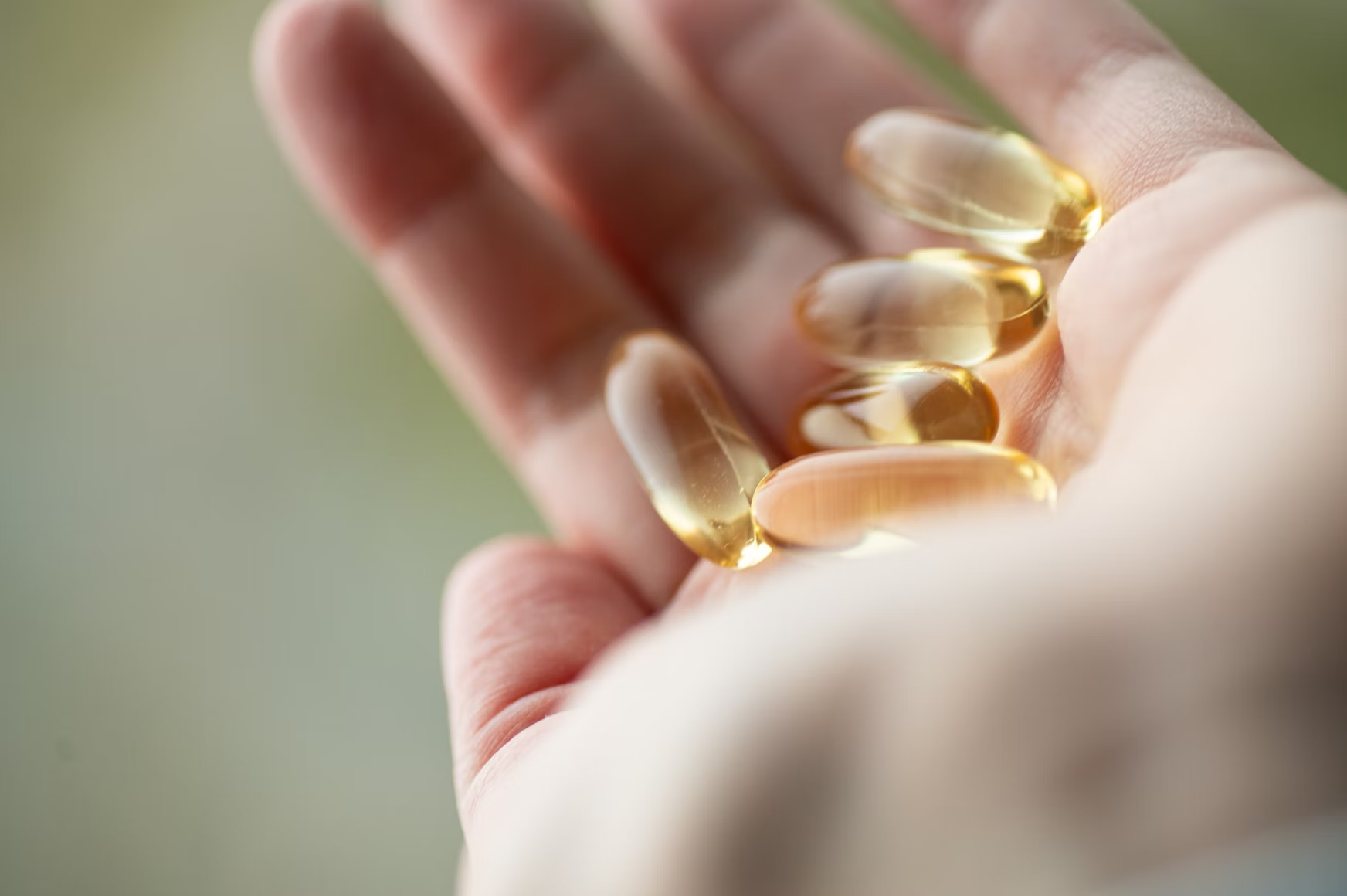
Fulvic acid is a natural substance found in soil, formed from the breakdown of plants and microbes over time. It is often present in shilajit, humus, or mineral-rich deposits and is valued for its potential to help the body absorb nutrients better, support detoxification, improve energy, and promote gut health. While some studies suggest it can aid mineral uptake, boost immunity, and support overall wellness, more research is needed to confirm these benefits. Fulvic acid supplements are not a replacement for medical treatment, and you should talk to a doctor before using them, especially if you have health conditions, are pregnant, or take medications.
Choosing a high-quality fulvic acid supplement involves looking at factors like where it comes from, how pure it is, how much fulvic acid it contains, its form (liquid, capsule, or resin), and whether it’s been tested for safety. Poor-quality products may contain harmful substances like heavy metals, so picking brands with thorough testing is important.
Key Factors for Choosing Fulvic Acid Supplements
To pick a safe and effective supplement, consider these points:
- Where It Comes From High-quality fulvic acid is sourced from clean, mineral-rich areas like the Himalayas, Canadian Rockies, or Mongolian highlands. These regions provide natural deposits packed with fulvic acid and trace minerals, making the supplement more effective.
- Purity and How It’s Made Choose products made with purified water or gentle methods to avoid chemicals. Look for brands that test for heavy metals (like lead or arsenic) and germs through independent labs to ensure the supplement is safe.
- Fulvic Acid Content Good supplements usually have 20–50% fulvic acid by weight, with some stronger ones reaching up to 70%. Check the label for clear information on fulvic acid percentage. Here’s a breakdown:
- Resins: Often contain 30–50% fulvic acid, making them very potent.
- Liquids: Typically have 20–40% fulvic acid and include 70+ trace minerals for added benefits.
- Capsules: Usually have 20–30% fulvic acid, sometimes mixed with humic acid for extra effects.
- Form and Absorption
- Liquids: Absorb quickly and can be mixed into water or drinks, but they may taste earthy.
- Resins: Strong and flexible for dosing, though the taste can be intense and needs dissolving in liquid.
- Capsules: Easy to take with consistent doses, but they may not absorb as well as liquids or resins.
- Dosage and Ease of Use Most supplements recommend 100–500 mg per day, depending on your needs and the product. Liquids and resins let you adjust the dose, while capsules offer fixed amounts. Look for clear instructions on the label.
- Testing and Certifications Choose products tested by independent organizations like NSF or USP to confirm they’re free of contaminants. Reputable brands share lab reports on their websites.
- User Experiences Look for supplements with good reviews for benefits like more energy, better digestion, or improved nutrient absorption. Check feedback on trusted websites to see what others say.
Notable Fulvic Acid Supplements
Here are details on two specific products, Saint Humic Acid and Jingfeend Humic Acid, as requested:
- Saint Humic Acid
- Form: Liquid drops
- Fulvic Acid Content: About 25–35%, combined with humic acid for added benefits; contains over 70 trace minerals.
- Features: Sourced from North American deposits, made with purified water, no strong taste, and tested for heavy metals and contaminants by third-party labs.
- Pros: Absorbs well, supports energy, digestion, and detox, easy to mix into drinks, and suitable for daily use.
- Cons: Needs daily dosing (10–15 drops), less concentrated than resins.
- User Feedback: Rated around 4.5 out of 5 for boosting energy and being easy to use, based on health websites and retailer reviews.
- Best For: People wanting a liquid supplement with good absorption and no strong taste.
- Jingfeend Humic Acid
- Form: Capsules
- Fulvic Acid Content: About 20–30%, blended with humic acid for consistent dosing.
- Features: Sourced from mineral-rich areas, tested by third parties, no artificial ingredients, non-GMO.
- Pros: Convenient for daily use, supports energy and immunity, great for those who don’t like liquid supplements.
- Cons: Absorbs slightly less than liquids, costs more per dose.
- User Feedback: Rated about 4.4 out of 5 for energy and mental clarity, based on reviews on health platforms.
- Best For: People who want an easy-to-take capsule with reliable dosing.
Tips for Choosing a Fulvic Acid Supplement
Here are practical tips to help you pick the right supplement:
- Pick the Right Form
- Choose liquids or resins if you want fast absorption and don’t mind mixing them into drinks. These are great for quick effects.
- Go for capsules if you prefer something easy to take without any taste.
- Check the Fulvic Acid Percentage
- Aim for at least 20% fulvic acid for good results. Higher percentages (30–50%) are better for energy or detox goals.
- Avoid products that don’t clearly list the fulvic acid amount on the label.
- Look at Source and Testing
- Choose supplements from trusted regions like the Himalayas or Canadian Rockies.
- Make sure the product is tested for heavy metals and other impurities. Check for lab reports or certifications.
- Match Your Health Goals
- For energy and wellness: Pick resins or liquids with 30–50% fulvic acid.
- For gut health: Look for products with trace minerals or probiotics.
- For ease of use: Capsules are best for a no-fuss routine.
- Balance Cost and Value
- Liquids and resins often give more servings per bottle, making them cheaper over time.
- Capsules might cost more per dose but are worth it if you value convenience.
- Read Real Reviews
- Check user feedback on sites like Amazon or health forums to see if the product helps with energy, digestion, or other benefits.
- Be cautious of reviews that sound too promotional; look for honest opinions on trusted sites.
- Try a Small Size First
- Buy a small bottle or sample to test how your body reacts before getting a larger supply.
Where to Buy Fulvic Acid Supplements
To make sure you’re getting a high-quality product, purchase from reliable sources:
- Online Retailers
- Amazon: Has a large selection with user reviews and fast shipping. Look for products marked “Fulfilled by Amazon” or from sellers with high ratings.
- iHerb: Focuses on health supplements and provides detailed product information, often including testing details.
- Vitacost: Offers good prices and discounts on natural supplements.
- Manufacturer Websites
- Many brands, including those offering Saint Humic Acid and Jingfeend Humic Acid, sell directly on their websites. This ensures you get the real product and can check lab reports. Some offer discounts for regular purchases.
- Health Food Stores
- Stores like The Vitamin Shoppe or Whole Foods carry tested fulvic acid supplements. Staff can help you choose the right one.
- Pharmacies
- Places like CVS or Walgreens may have fulvic acid supplements, but their selection might be smaller than online options.
Tip: Avoid buying from unknown sellers on sites, as fake or low-quality products are common. Always check for third-party testing information on the product page or brand’s website.
How to Use Fulvic Acid Supplements
- Start with a Small Dose
- Begin with a low amount, like 100 mg or 5–10 drops for liquids, to see how your body reacts. Slowly increase to the recommended dose (100–500 mg daily) over a week or two.
- Mix with Food or Drinks
- Add liquid or resin forms to water, juice, tea, or smoothies to cover the earthy taste and help absorption. Take capsules with food for better results.
- Track How You Feel
- Keep an eye on your energy, digestion, or other health changes for 4–6 weeks to see if the supplement works for you.
- Stop using it and talk to a doctor if you feel unwell (e.g., stomach upset or headaches).
- Store Properly
- Keep supplements in a cool, dry place away from sunlight. Liquids and resins last about 1–2 years, while capsules may last longer if sealed well.
- Eat a Healthy Diet
- Fulvic acid helps your body use nutrients better, so pair it with foods like vegetables, fruits, and whole grains for the best results.
Benefits and Possible Risks
- Benefits:
- Helps your body absorb nutrients and minerals more effectively.
- May support detoxification by binding to toxins or heavy metals.
- Could improve energy, mental focus, and immunity.
- Supports gut health, especially in products with probiotics or minerals.
- Risks:
- Some people may experience mild stomach discomfort, headaches, or allergies.
- Avoid fulvic acid if you have autoimmune conditions, are pregnant, or take blood-thinning medications unless your doctor approves.
- Low-quality products might contain heavy metals, so always choose tested brands.
Final Thoughts
To choose the best fulvic acid supplement, focus on products with 20–50% fulvic acid, sourced from trusted places and tested for safety. Liquids and resins absorb better, while capsules are easier to use. Saint Humic Acid is great for fast absorption and no taste, while Jingfeend Humic Acid is ideal for convenience.