

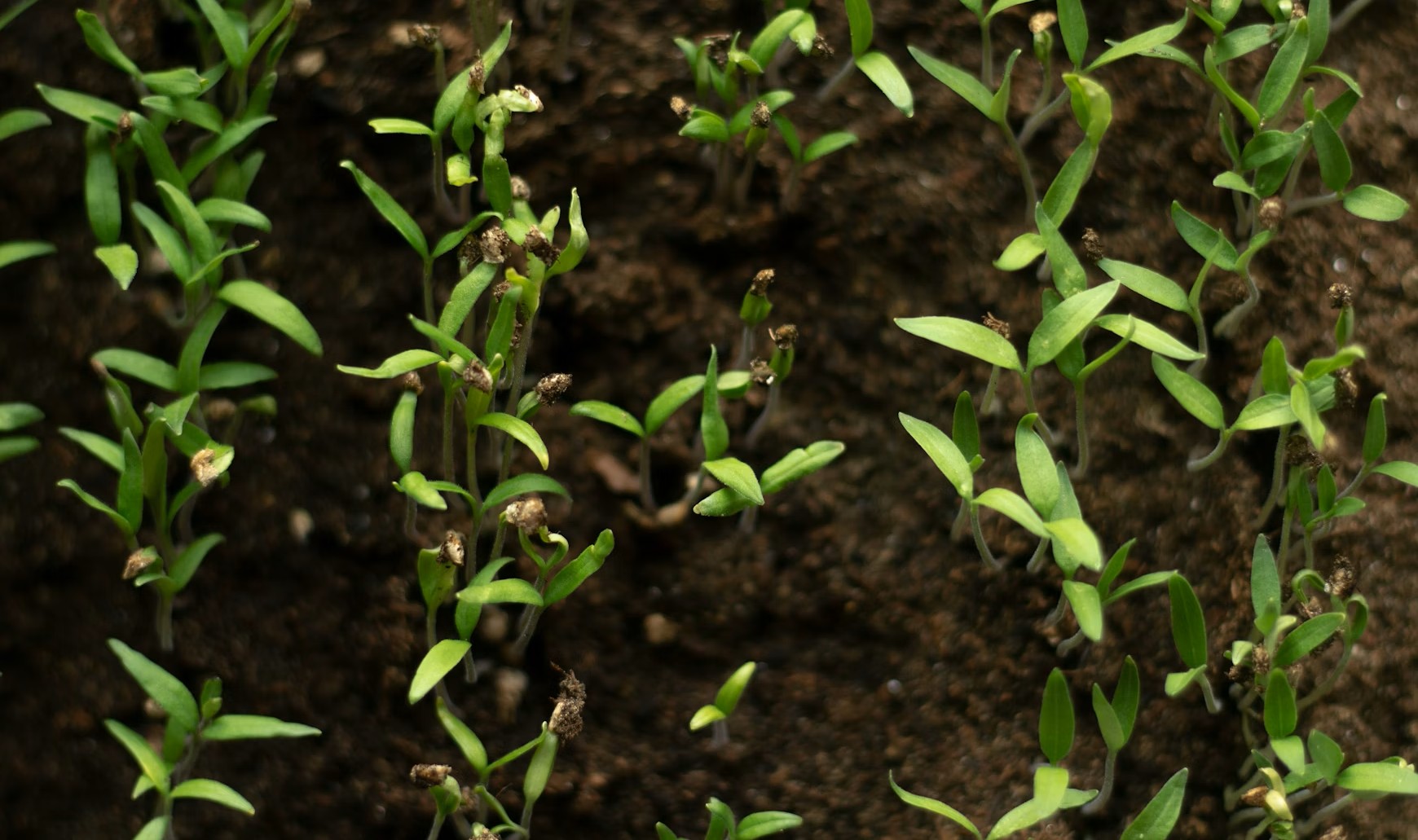
Potassium fulvate is an organic compound widely utilized in agriculture and horticulture due to its multifaceted benefits for soil health and plant growth. It is derived from humic substances, specifically as the potassium salt of fulvic acid, which is a low-molecular-weight fraction of humic acid. Extracted primarily from natural sources such as leonardite, lignite, or other organic-rich deposits, potassium fulvate is valued for its high solubility, nutrient-chelating properties, and ability to enhance plant and soil vitality.
Composition and Chemical Characteristics
Potassium fulvate is predominantly composed of fulvic acid, a complex organic molecule formed through the microbial decomposition of plant and animal matter. Fulvic acid is characterized by its relatively low molecular weight (typically 300–500 Da), which distinguishes it from the higher-molecular-weight humic acid. The potassium salt form enhances its solubility and usability in agricultural applications. Commercial potassium fulvate products generally contain:
- Organic Matter: 50–75%, primarily fulvic acid.
- Potassium Content: At least 8–12% potassium oxide (K₂O), providing an essential macronutrient for plants.
- pH: Typically around 9.0, ensuring stability across a range of soil and water conditions.
- Trace Elements: Often includes micronutrients such as iron, zinc, and manganese, naturally chelated for enhanced bioavailability.
The low molecular weight of fulvic acid allows potassium fulvate to penetrate plant cell membranes easily, facilitating rapid nutrient uptake and metabolic activity. Its chemical structure includes functional groups (e.g., carboxyl and hydroxyl groups) that contribute to its high cation exchange capacity (CEC), typically ranging from 400–600 meq/100g, which supports nutrient retention and soil buffering.
Key Physical and Chemical Properties
Potassium fulvate exhibits several unique properties that make it a versatile agricultural input:
- High Solubility: Unlike other humic substances, potassium fulvate is highly soluble in water, acidic solutions, and alkaline environments without forming precipitates or flocculates. This ensures compatibility with various irrigation systems, including drip and overhead setups, and resistance to hard water conditions.
- Nutrient Chelation: It forms stable complexes with essential nutrients (e.g., phosphorus, calcium, magnesium, and trace elements), preventing nutrient lockup in soils and enhancing their availability to plants.
- Soil Aggregation: Promotes the formation of stable soil aggregates, improving soil structure, aeration, and water retention.
- pH Regulation: Its buffering capacity helps stabilize soil pH, mitigating extreme acidity or alkalinity, which is particularly beneficial in degraded or saline soils.
- Bioactivity: Stimulates microbial activity in the rhizosphere, fostering a healthy soil microbiome that supports nutrient cycling and plant health.
Applications in Agriculture and Horticulture
Potassium fulvate is applied in various agricultural systems, including field crops, horticulture, hydroponics, and turf management. Its versatility allows it to be used through multiple methods, each tailored to specific crop needs and growth stages. Below is a detailed breakdown of its primary application methods:
| Application Method | Description | Primary Benefits | Recommended Dosage (General) |
|---|---|---|---|
| Foliar Spray | Applied as a dilute solution to plant leaves. | Rapid nutrient uptake; corrects deficiencies in major (N, P, K) and micronutrients (Fe, Zn, Mn); enhances photosynthesis and stress resistance. | 0.5–2% solution (5–20 g/L water), applied 2–4 times during vegetative and reproductive stages. |
| Soil Amendment | Incorporated into soil before planting or during cultivation. | Improves soil structure; enhances water and nutrient retention; reduces leaching in sandy or clay soils. | 5–15 kg per hectare, mixed into topsoil or applied via banding. |
| Drip/Fertigation | Delivered through irrigation systems, including hydroponics. | Supplies chelated nutrients directly to roots; suitable for precision agriculture and nutrient-deficient systems. | 1–5 g/L in nutrient solutions, adjusted based on crop and system requirements. |
| Seed Treatment | Applied to seeds before planting. | Stimulates germination and early root development; improves seedling vigor. | 0.1–0.5% solution for seed soaking or coating. |
These methods leverage potassium fulvate’s ability to integrate seamlessly with existing fertilizer programs, such as NPK formulations, to enhance their efficiency. It is particularly effective in high-value crops (e.g., fruits, vegetables, and ornamentals) and in systems requiring precise nutrient management, such as greenhouses and hydroponics.
Benefits for Plant Growth and Soil Health
Potassium fulvate offers a wide range of benefits, supported by its chemical properties and bioactivity. These benefits can be categorized into plant physiology, soil improvement, and yield enhancement:
1. Plant Physiology
- Nutrient Uptake: By chelating essential nutrients, potassium fulvate ensures their availability to plants, reducing deficiencies and improving nutrient use efficiency. For example, it enhances the uptake of phosphorus in high-pH soils where it is typically insoluble.
- Root Development: Stimulates root elongation and branching, increasing the root surface area for nutrient and water absorption.
- Photosynthesis and Metabolism: Increases chlorophyll content, boosting photosynthetic efficiency and elevating levels of vitamin C and sugars in plant tissues, which improves fruit quality.
- Stress Resistance: Enhances plant resilience to abiotic stresses (e.g., drought, salinity, extreme temperatures) and biotic stresses (e.g., fungal pathogens) by strengthening cellular defenses and antioxidant activity.
2. Soil Health
- Structural Improvement: Promotes the formation of water-stable aggregates, which enhance soil porosity, aeration, and water-holding capacity. This is particularly beneficial in sandy soils (improving retention) and clay soils (reducing compaction).
- Nutrient Retention: Its high CEC reduces nutrient leaching, especially in sandy or heavily irrigated soils, ensuring sustained nutrient availability.
- Microbial Activity: Stimulates beneficial soil microorganisms, fostering a robust soil food web that supports nutrient cycling and organic matter decomposition.
- pH and Salinity Management: Buffers soil pH and adsorbs harmful cations (e.g., sodium in saline soils), mitigating soil degradation and improving crop performance in marginal lands.
3. Yield and Quality
- Crop Productivity: Field studies have shown that potassium fulvate applications can increase crop yields by 10–20% in certain crops (e.g., cereals, vegetables) by improving nutrient availability and plant vigor.
- Fruit and Flower Quality: Enhances fruit size, color, and sugar content while protecting flowers and fruit from premature drop, leading to higher marketable yields.
- Fertilizer Efficiency: Accelerates the response to synthetic fertilizers, allowing for reduced application rates without compromising yield, which supports cost savings and environmental sustainability.
Comparison with Potassium Humate
Potassium fulvate is often compared to potassium humate, another humic substance derivative. While both share similarities, their differences are significant:
| Property | Potassium Fulvate | Potassium Humate |
|---|---|---|
| Primary Component | Fulvic acid (>50%) | Humic acid (>60%) |
| Molecular Weight | Low (300–500 Da) | Higher (1000–10,000 Da) |
| Solubility | Highly soluble in water, acid, and alkali | Soluble in water and alkali, less in acid |
| Absorption | Rapidly absorbed by plants due to small size | Slower absorption due to larger molecules |
| Primary Use | Foliar sprays, quick nutrient delivery | Long-term soil conditioning |
| Activity | High bioactivity, fast-acting | Moderate bioactivity, sustained effects |
Potassium fulvate’s smaller molecular size and superior solubility make it ideal for foliar applications and rapid nutrient correction, while potassium humate is better suited for long-term soil health improvement. The choice between them depends on the specific agricultural goal, with potassium fulvate being preferred for immediate plant responses and potassium humate for sustained soil benefits.
Practical Considerations and Sourcing
When selecting potassium fulvate, consider the following:
- Purity and Quality: Ensure the product contains a high fulvic acid content (verified by laboratory analysis) and minimal impurities. Reputable suppliers provide certificates of analysis detailing organic matter, potassium, and pH.
- Formulation: Available as powders, flakes, or liquids, with powders being common for soil applications and liquids for foliar or fertigation use.
- Compatibility: Confirm compatibility with other fertilizers or pesticides to avoid interactions that could reduce efficacy.
- Sourcing: Obtain from trusted agricultural input suppliers or manufacturers specializing in humic substances. For pricing and availability, consult resources such as agricultural supply websites or contact suppliers directly, as formulations and costs vary.
Environmental and Economic Impacts
Potassium fulvate supports sustainable agriculture by reducing fertilizer runoff, improving soil health, and enhancing crop resilience to environmental stressors. Its ability to increase fertilizer efficiency can lower input costs and minimize environmental impacts, such as groundwater contamination from nutrient leaching. Additionally, its organic nature aligns with eco-friendly farming practices, making it suitable for organic and conventional systems alike.
Conclusion
Potassium fulvate is a highly effective agricultural input that enhances plant growth, improves soil health, and boosts crop productivity. Its unique properties—high solubility, nutrient chelation, and bioactivity—make it a valuable tool for addressing nutrient deficiencies, improving soil structure, and mitigating environmental stresses. By understanding its applications, benefits, and distinctions from related compounds like potassium humate, growers can optimize its use to achieve sustainable and productive agricultural outcomes.