-

THE EFFECTS OF HUMATES ON SOIL
The fertility of the soil was always related to its humus content. It was determined that humic substances participate in the regulation of most important characteristics. First of all, they are accountable for the coloring and, therefore, thermal conditions. It is particularly important for cold clay soil which under the effect of humates becomes warmer.…
-

Humate Manufacturing Process
In order to be soluble, humates in raw form such as lignite or leonardite must go through an alkaline extraction process. Any of the salts like potassium hydroxide, sodium hydroxide or ammonium hydroxide can be used as the extractant. The potassium hydroxide extracted form is preferred for fertilizing application as potassium hydroxide (the extractant) is…
-

Humic Acids Used for Hydroponics
In hydroponics helps the environment humic acid supplementation offers many of the same benefits to plants that it does in a soil culture. Because hydroponics is performed in an enclosed environment it is possible to specifically target plants with a minimum of waste. By adding humic acid in hydroponic preparations, to the nutrient reservoir will…
-
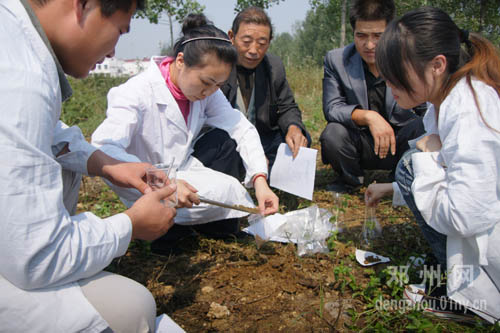
Humic substance
Humic substances, such as those listed in the above title, play a vital role in soil fertility and plant nutrition. Plants grown on soils which contain adequate humin, humic adds (HAs), and fulvic adds (FAs) are less subject to stress, are healthier, produce higher yields; and the nutritional quality of harvested foods and feeds are superior.…
-
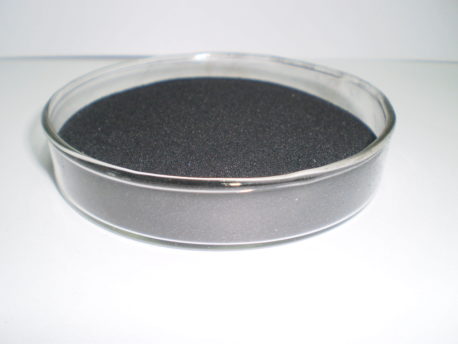
Humus and Humic Acid
Humus Humus is the end product of the microbial decay of organic matter. Humus contains both humic and non-humic material. Humus is relatively stable and fairly resistant to further rapid breakdown. Humus is a tremendous food source for soil microflora. Components of humus are oxidized or mineralized and then utilized by plants. Humus is now…
-
Leonardite and Humic Acid
Leonardite It is theorized that Leonardite shale originated from trees and other vegetation, which grew during the carboniferous period when most of North America was a tropical type forest. Over the ages, the vegetation underwent compaction and heating, slowly carbonizing and forming coal. Through this compaction, organic acids and esters present in the vegetation were…